Kitchen literacy
How to Keep Track of What's in Your Fridge (So Nothing Goes Bad First)
A simple system for knowing what's in your fridge before it goes bad — zones, a two-minute weekly check, and the one habit that actually prevents waste.
The average US household throws away roughly $728 of food a year, according to the EPA — and most of it isn’t food nobody wanted. It’s food somebody meant to eat, forgot about, and found again a week too late. The fix isn’t a better memory. It’s a system that doesn’t depend on your memory at all.
Here’s one that works with a normal fridge, no gadgets required.
1. Give your fridge zones, not just shelves
Most people load groceries in wherever there’s space, which means new food constantly buries old food. Instead, split the fridge into three functional zones:
- Eat-first zone — one shelf or one bin, always. Anything opened, anything nearing its date, anything that’s already a little soft goes here and nowhere else.
- Stable zone — condiments, things with a long best-before window, stuff that isn’t going anywhere fast.
- New-in zone — where groceries land the day you shop, before you’ve sorted them.
The only rule that matters: nothing skips the eat-first zone on its way to being forgotten. When you unpack groceries, the older items from the new-in zone move up, not the other way around. This is the same first-in-first-out logic restaurants use, just shrunk down to a household fridge.
2. Label what you open
An opened jar, a half-used bag of spinach, and last night’s leftovers all have one thing in common: nothing on them says when the clock started. A strip of masking tape and a pen fixes this in about four seconds — write the date you opened or cooked it, not the date on the original packaging.
This matters more than it sounds like it should, because “how long has this actually been open” is the single most common reason people either toss something too early out of caution or eat something too late out of doubt.
3. Do a two-minute check before you shop, not after
Most people check the fridge for the first time while writing a shopping list — which means anything already inside gets ignored in favor of what’s missing. Flip the order: open the fridge, note what’s already there and what needs using soon, and let that shape the list. It takes less time than scrolling for a recipe, and it directly prevents the most common failure mode: buying a duplicate of something already going soft in the back.
4. Keep the temperature honest
A fridge running warmer than it should shortens every date on every label, best-before or use-by. Keep your fridge at or below 40°F (4°C). An easy way to check if you don’t have a built-in display: a fridge thermometer costs a few dollars and removes the guesswork. If food is going off faster than the dates suggest it should, this is the first thing worth checking — before blaming the food.
5. Cook toward what’s aging, not what sounds good
The single highest-leverage habit here: when you’re deciding what to make, start from what’s already in the eat-first zone, not from a recipe you saw online. It’s a small mental flip — “what do I have that needs to happen today” instead of “what do I feel like eating” — but it’s the difference between a fridge that empties itself out and one that slowly fills up with regret.
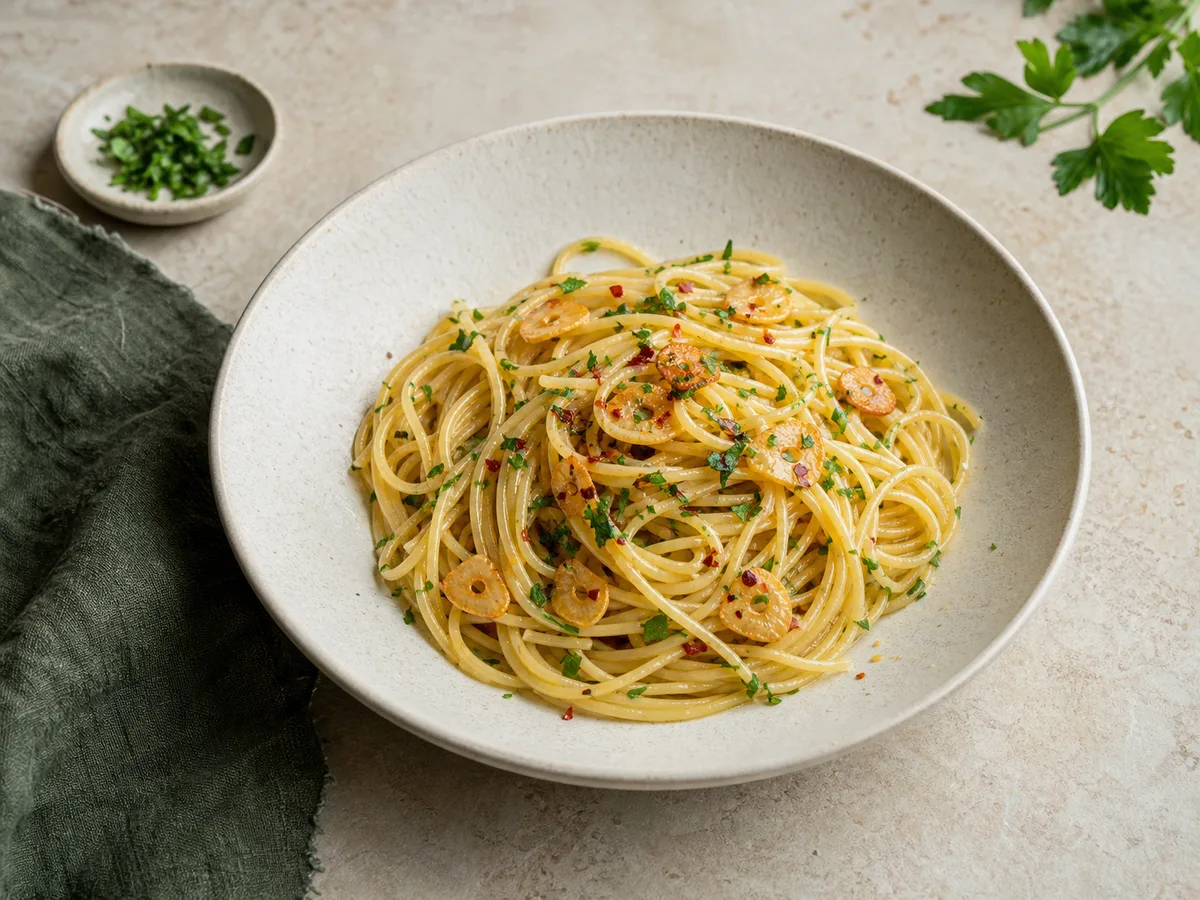
A wilting bag of spinach, a half-tub of soft tomatoes, three eggs and an onion — none of those need a special occasion. They need fifteen minutes and a plan. Clean-out-the-fridge vegetable soup and 15-minute pantry dinners are both built for exactly this moment.
A note on how Froodie fits here
This whole system is a manual version of what Froodie’s pantry does automatically: it remembers what came in and when, keeps the oldest thing visible instead of buried, and points you toward a recipe that uses it. If you’d rather not run the zones-and-tape version yourself, that’s the app. If you would, the system above works with zero downloads.